
 ไทย
ไทย English

TBN Enterprise Digital Transformation marks a major strategic shift for TBN Corporation Public Company Limited, as the company navigates ongoing changes in the technology industry and the rise of AI. As a result, TBN now positions itself as a specialist in this space, building end-to-end software solutions that combine Low-Code technology with AI. This approach helps large enterprises boost operational efficiency and generate measurable business returns.
TBN Enterprise Digital Transformation: Which Industries Does It Serve?
TBN currently serves large enterprise clients, particularly in banking, financial services, and insurance. In addition, it supports the Healthcare and energy sectors. The company builds custom solutions on its Low-Code platform combined with AI technology, serving multinational corporations and SET100-listed companies alike.
What Does TBN's End-to-End Lending System Cover?
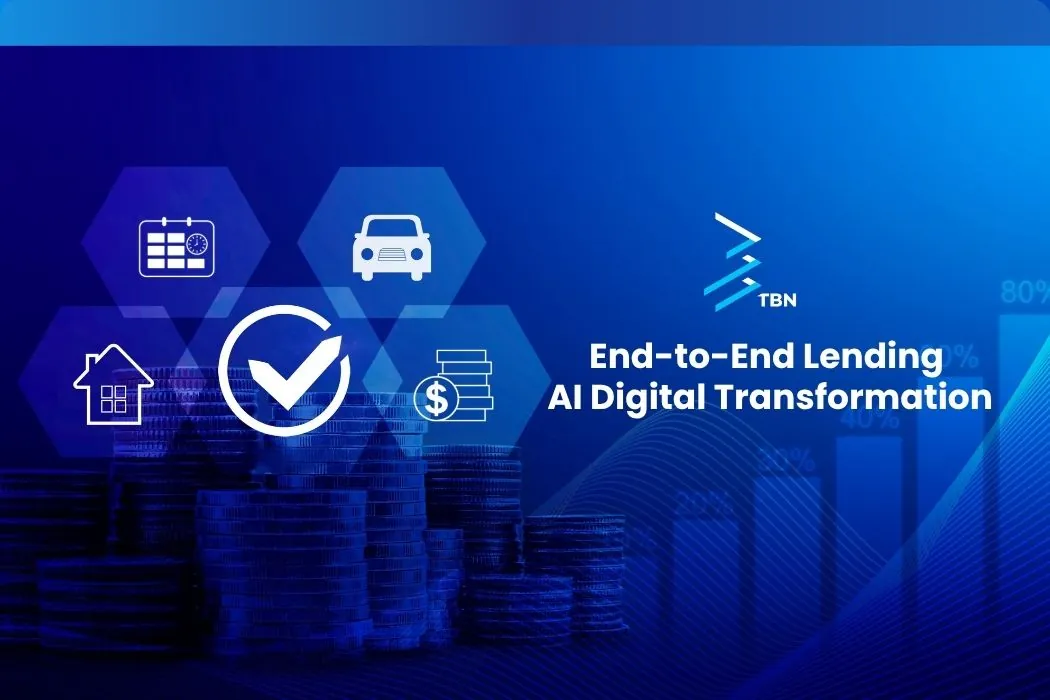
TBN focuses heavily on developing a comprehensive loan management system. This system covers the full lending lifecycle: loan applications, document management, debt collection, and non-performing loan (NPL) management, through to the foreclosure process. TBN's core strength lies in connecting every stage of the lending process on a single platform. Meanwhile, clients can choose to use individual modules or the full system, based on their needs.
Amid a slowing economy and rising bad debt levels, TBN sees strong potential in Debt Collection solutions. This is because they significantly improve debt recovery rates for financial institutions. As a result, banks can convert overdue debt into revenue and generate a clear return on investment (ROI) — even as many organizations face constrained IT budgets.
TBN's Customer Expansion Strategy and Backlog
TBN's current strategy centers on delivering systems that generate real revenue or reduce costs for clients. This remains a key factor driving continued client investment, even as the broader economy has yet to fully recover. Today, over 90% of TBN's client base comes from the private sector, with more than half in banking and financial services. However, this year the company plans to expand into government agencies as well, to create new revenue streams and diversify business risk.
TBN's current backlog stands at approximately 284 million baht. Individual projects range from tens of millions to hundreds of millions of baht, with most structured as long-term contracts spanning 3–5 years. This provides continuous future revenue. The company aims to further grow its backlog value this year.
Why TBN Is Undergoing a Major Business Model Shift
Although first-half 2026 performance fell short of targets — due to economic headwinds and AI's growing impact on the industry — TBN has accelerated its shift from Custom Solutions to proprietary Business Solutions. Specifically, the company is building on more than 20 years of expertise to create platforms suitable for broader market use.
At the same time, TBN has adopted AI internally, applying it to software development, knowledge management, and productivity improvements across its development and sales teams. This is expected to boost competitiveness. The company anticipates positive results from this business model shift starting in the second half of 2026, with clearer impact expected in 2027.
Over the past 2–3 years, TBN evaluated several potential joint ventures and M&A opportunities but ultimately held off on investing. This was because target companies' financial performance didn't meet expectations amid the challenging economic climate. Management views this as a prudent decision, given the significant pressure the IT industry has faced in recent years.
Meanwhile, TBN continues to push forward with its "End-to-End Lending" platform, built on the company's deep experience and expertise. The company expects it to begin generating revenue and contributing positively to earnings from late this year through early next year, positioning it as a key driver of sustainable long-term growth.
Organizations looking to modernize their lending processes on a single platform can explore TBN's Lending Management System, along with its Low-Code solutions for Thai banks and financial institutions.
Ultimately, TBN Enterprise Digital Transformation extends well beyond financial services. The company also sees opportunities in insurance and Healthcare — sectors facing similar operational cost pressures, particularly in document verification and benefits approval processes that still rely heavily on manual labor. TBN believes its Low-Code and AI model can be applied across industries, not just finance, opening new markets going forward.
Frequently Asked Questions
Q: What does TBN's End-to-End Lending Solution cover?
It covers loan applications, hire-purchase, document management, loan management, debt collection, non-performing loan (NPL) management, and the foreclosure process.
Q: Why is TBN shifting from Custom Solutions to Business Solutions?
A: First-half 2026 performance fell below target due to economic conditions and AI's growing industry impact, prompting TBN to build on 20 years of expertise to create broadly applicable platforms instead.
Q: What new customer segments is TBN targeting?
A: TBN plans to expand into government agencies this year to create new revenue streams and diversify business risk.
เรียบเรียงจากบทสัมภาษณ์นายธิปัตย์ สุนทรารชุน
ประธานเจ้าหน้าที่สายงานการลงทุน บริษัท ทีบีเอ็น คอร์ปอเรชั่น จำกัด (มหาชน)
โดยทีมข่าวหุ้นวิชั่น