 ไทย
ไทย English

Picture this: the IT team receives a business requirement today —but the system won't go live for months. By then, the market hasshifted, competitors have adapted, and the business opportunityis gone.
This is the reality facing large enterprises in Thailand every single day. As the leading Low-Code platform Thailand enterprises rely on, Mendix by TBN has become a strategic priority for leading organisations in 2026.
What Is a Low-Code Platform?
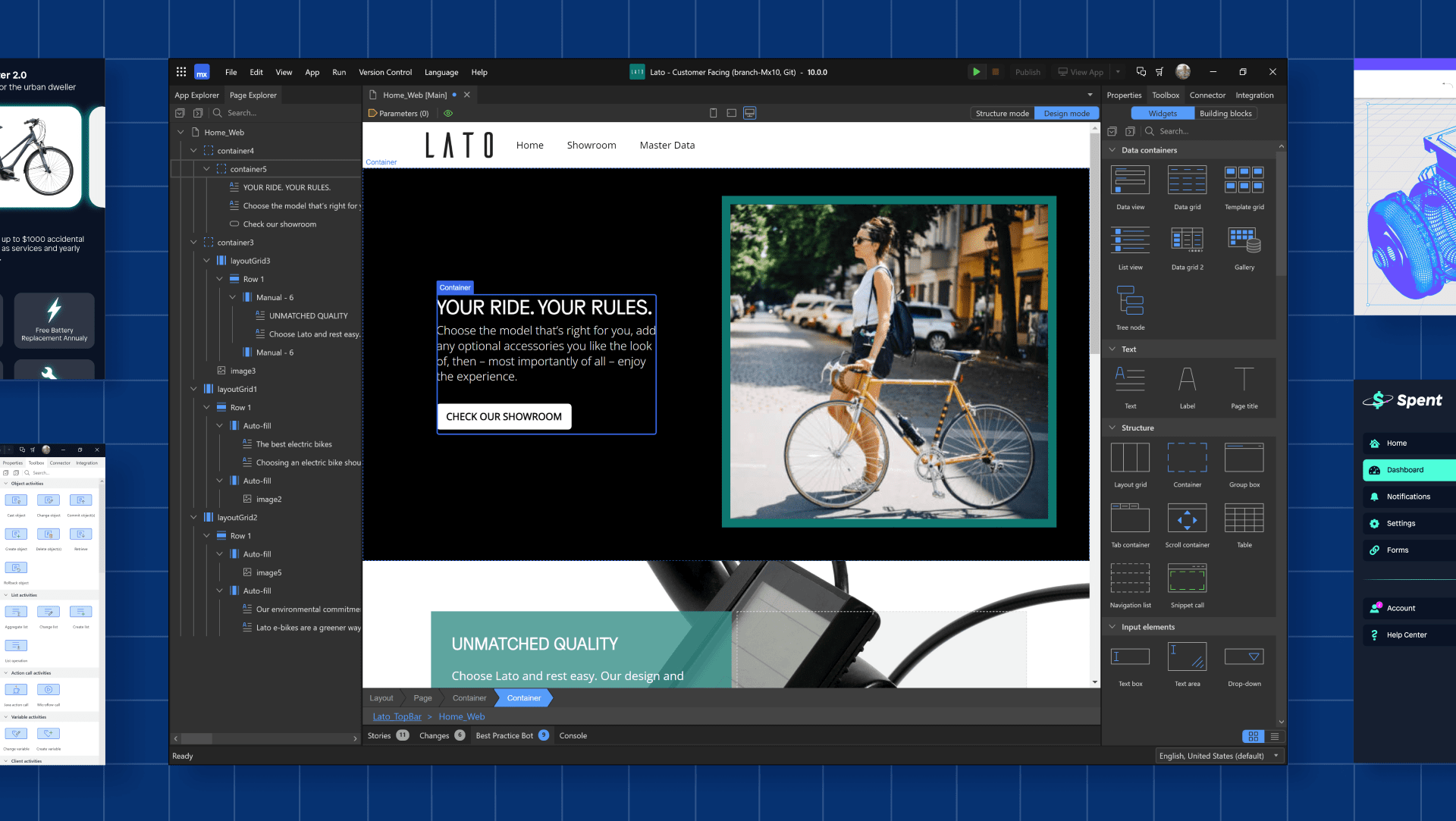
Low-Code is a modern software development approach that replaces thousands of lines of hand-written code with a visual, drag-and-drop interface. Instead of building from scratch, developers assemble applications from pre-built components — more like snapping LEGO bricks together than laying bricks one by one. The result? A system that once took six months to build can now reach production in far less time — without sacrificing quality or scalability.
The Numbers That Prove Low-Code Is Not Just a Trend
The global Low-Code market exceeded $45 billion USD in 2025 and continues to grow. According to Gartner, over
70% of new enterprise applications will use Low-Code or No-Code by 2026. Furthermore, Forrester Research confirms that organisations leveraging Low-Code reduce average development time by 60–70%. In Thailand specifically, enterprise adoption has grown 3× over the past two years alone.
4 Reasons Thai Enterprises Are Choosing Low-Code.
1. Speed-to-Value — Respond to Market Before Competitors Do Business challenges do not wait for release cycles. With Low-Code, IT teams deliver new features significantly faster than traditional development. As a result, organisations respond to market opportunities before competitors do.
2. Fast Adaptation — Adjust Systems as Business Needs Change
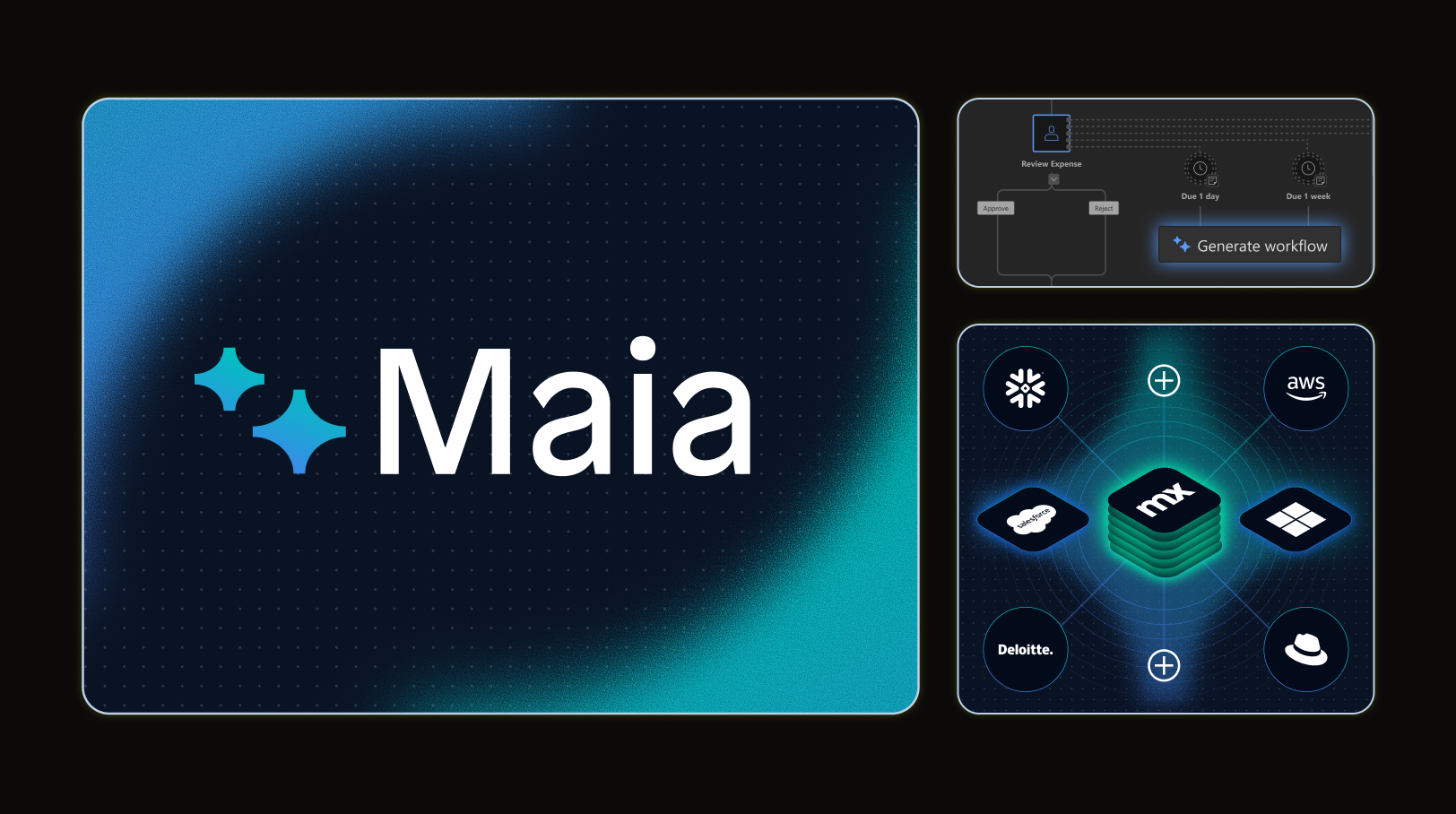
Because requirements shift every quarter, organisations need tools that keep pace. Low-Code empowers business teams to adjust system configuration directly — without queuing behind IT backlogs. Learn how Generative AI for Enterprise takes this adaptability even further.
3. Simplified Maintenance — Sustainable IT Operations Low-Code platforms build visual documentation into every application by design. Therefore, teams hand over and maintain systems far more easily — eliminating dangerous dependence on a single person who holds all the knowledge. See howshifting from Automation to Autonomous Enterprisemakes long-term maintenance even more sustainable.
4. Seamless Legacy Integration — Build on What You Already Most enterprises cannot abandon legacy systems overnight. However, that does not mean progress must stall. Most enterprises cannot abandon legacy systems overnight.
However, that does not mean progress must stall. The right Low-Code platform handles this by bridging existing infrastructure with modern applications — including complex lending andcontract systems — with no rip-and-replace required.
Frequently Asked Questions
Q: What is the difference between Low-Code and No-Code?
A: A Low-Code platform Thailand enterprises adopt still requires developers for complex logic. No-Code, on the other hand, lets business users build without writing any code at all.
Q: Is Low-Code suitable for large enterprises?
A: Yes. Platforms like Mendix are built enterprise-first —with security, scalability, and governance included from day one. In fact, Mendix is consistently recognised in theGartner Magic Quadrant for Low-Code Application Platforms..
Q: How should an organisation begin its Low-Code journey?
A: Start with a small, well-defined problem that your team faces regularly — for example, an approval process still running on email, or a report built manually in spreadsheets every month. Measure the results first, then expand to other areas of the organisation. Talk to our team to identify the right starting point
for yours.
Ready to Start Your Organisation's Low-Code Journey?
TBN Corporation’s specialists are ready to help you identify the right Low-Code use cases. Browse our latest articles or contact us for the right solutions.